AI slop at COP: is climate communications losing sight of reality?
There were plenty of things to debate at UNFCCC COP31 in Antalya. The future of fossil fuels. The widening gap between climate ambition and action. The urgent need for climate finance. The lack of final consensus.
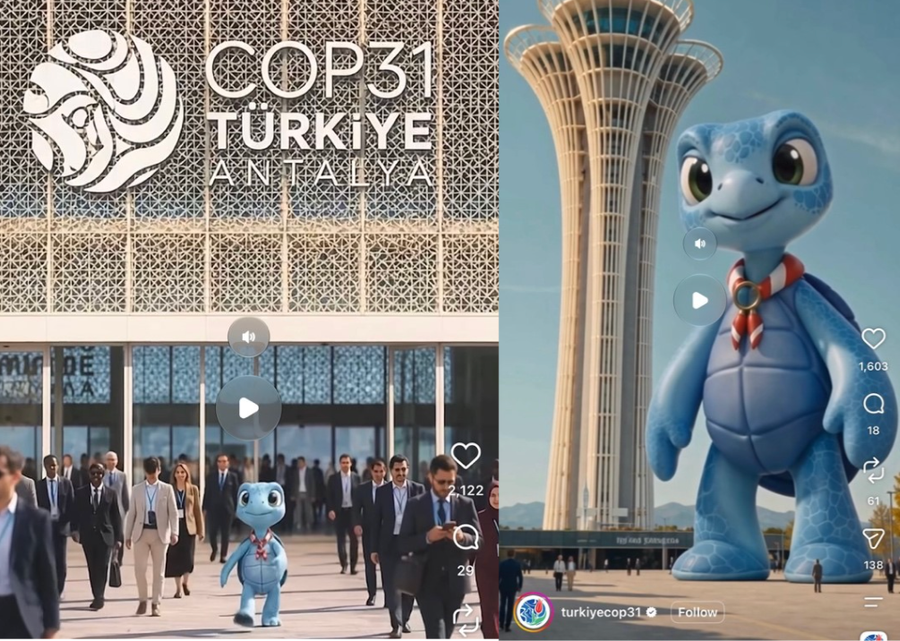
And then there were the AI generated turtles.
Across social media, COP31 was accompanied by a wave of generated imagery and video: glossy wildlife, cinematic environmental scenes and the increasingly familiar aesthetic of AI generated cartoons and illustrations. Even official COP31 social media channels regularly featured AI renditions of the COP31 mascot, Caretta the loggerhead sea turtle.
At first glance, these might seem like harmless creative choices. A way to engage audiences beyond the conference halls. But they raise a bigger question: why, at a United Nations convention dedicated to protecting the real world, were we so busy generating an artificial one?
Why AI slop took over at COP31
AI slop describes low quality, mass produced generative content that can look polished but lacks originality, accuracy or meaningful creative judgement, often with obvious signs that AI has been commissioned as the lead designer.
Generative AI can help explain complex concepts, improve accessibility and create compelling visualisations. Slop happens when technology replaces the thinking rather than supporting it.
With COP31 hosting the largest number of COP delegates ever (almost 100,000!), countless organisations were competing for attention across crowded social feeds, often under intense time and budget pressures. Generative AI offered an attractive shortcut. Produce something visually dramatic, do it quickly and keep the content flowing. This is particularly relevant with the fast-paced nature of a COP; daily themed focus areas, evolving news headlines and thousands of comms teams battling for likes and video views.
There's also the influence of social media algorithms, which often reward regular and high-volume output. But attention isn't the same as understanding or valuable engagement, and a video can generate reach without communicating anything meaningful about the issue it was intended to represent.
The irony is that, as more organisations adopt the same tools and visual aesthetic, their content becomes increasingly interchangeable. While many view AI as promising limitless creativity, it produces remarkable sameness when used without strategic thinking and human judgement.
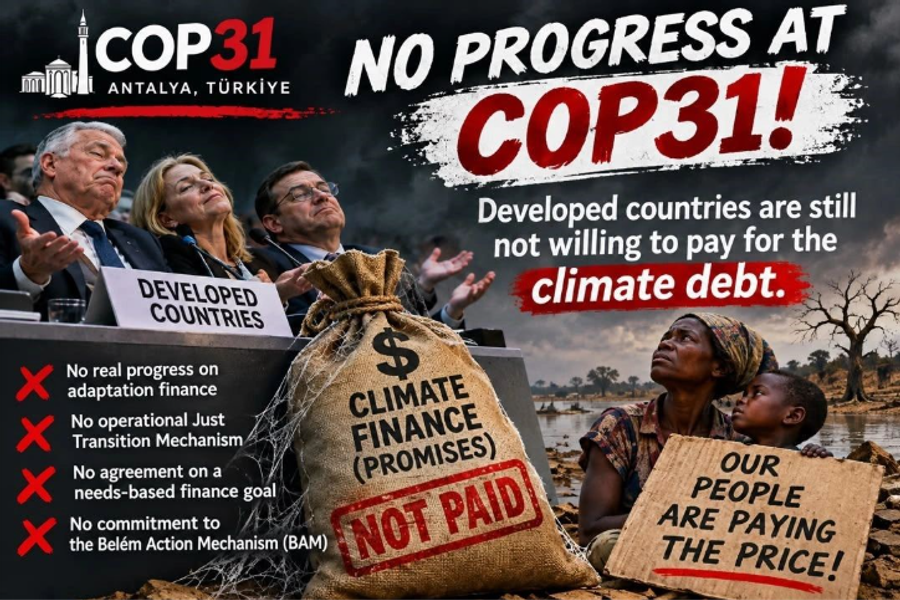
Climate communications already has a credibility problem. AI could make it worse
Climate communications depends on trust and connection. We ask audiences to believe scientific evidence, understand complex risks and support changes that can carry political and economic costs. AI generated imagery could introduce another layer of uncertainty to this, further alienating an already fractured and challenging landscape.
When an organisation publishes a convincing looking wildlife video, for example, audiences may reasonably assume they're watching real animals in real ecosystems. If that footage is fabricated or misleadingly presented, the organisation risks undermining its own credibility.
Research on AI generated climate disaster imagery has suggested that greater visual realism doesn't necessarily increase support for climate action. While the study found that highly realistic synthetic images can indeed intensify emotional responses, they also create feelings of manipulation, thereby reducing trust. And the consequences extend far beyond individual social media posts.
As AI imagery becomes more widely used, genuine environmental and climate photography risks being questioned too. Real footage of coral bleaching, coastal flooding, community displacement or biodiversity loss can become harder to distinguish from fabrications. For a movement that relies on documenting environmental change, this could lead to a deep erosion of trust in the very evidence that underpins the case for climate action.
Official institutions face an even higher risk. Their communications carry an expectation of accuracy and authority, so when they use generated wildlife or climate imagery without sufficient transparency, they risk blurring the line between illustration and evidence.
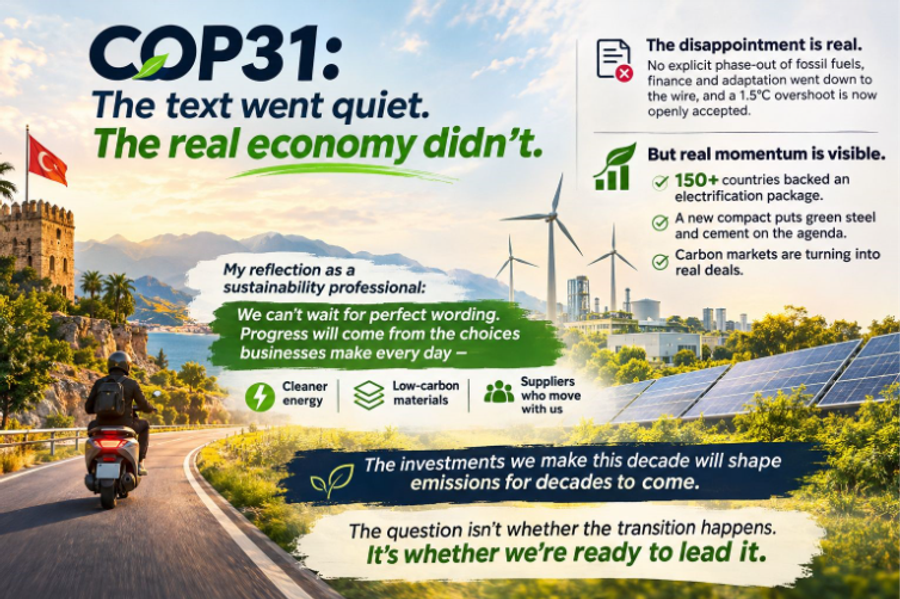
The human nuance of storytelling
There's also the question of whose stories and voices risk being displaced. While media headlines often focus on world leaders and political disputes, COP brings together scientists, Indigenous leaders, youth activists and local communities from across the world, many of whom are experiencing the impacts of climate change firsthand. As AI generated content becomes more commonplace, there is a risk that their lived experiences, calls to action and conservation efforts are misrepresented or overlooked altogether.
Beyond representation, there are also implications for the creative community. As organisations increasingly turn to generative AI, fewer resources could be directed towards local filmmakers, photographers and content creators who bring unique perspectives and firsthand knowledge to environmental storytelling.
For a challenge so intertwined with inclusion and community leadership, investing in authentic storytelling should be a priority for climate communicators.
Should we abandon the use of AI in climate communications?
Put simply, no. AI has legitimate applications in climate communications, from scientific visualisation and translation to making complex information more accessible. It’s also a good solution for organisations and individuals working with limited budget and resources. The question isn't whether organisations should use it; it's whether the technology genuinely improves the story, when to use it and how.
That means prioritising real evidence, transparently labelling AI generated content, protecting scientific accuracy and investing in the people and places at the centre of environmental issues. Above all, it means asking what an asset helps audiences understand or do, rather than simply whether it looks impressive or how much time it takes to produce.
“Our role as creatives isn't just to produce content. It's to develop better ideas, tell stronger stories and create meaningful human connections. AI can be a valuable tool in that process, especially when time and budget are limited, but it should never lead it. At Greenhouse, our Creative Studio's AI Guidelines underpin how we use the technology responsibly and appropriately, ensuring every creative idea starts with people. AI is used to challenge, strengthen and enhance our thinking, but never to replace it. This is particularly important in climate communications, where authenticity and credibility are essential. We must always protect the human creativity, craft and lived experiences that make storytelling so powerful.”
– Evie Edwards, Creative Studio Lead, Greenhouse Communications
COP31 ended as the longest COP to date and without a final political agreement. Against this backdrop, the growth of AI generated climate imagery feels especially revealing. We have never had more tools at our disposal to make climate communications more accessible, engaging or visually appealing. The real challenge is how we use those tools effectively to build understanding, trust and pressure for meaningful action.
When we're asking the world to take the realities of the climate crisis seriously, the most powerful thing we can show people might just be reality itself.