COP31: Five takeaways from a fractured summit
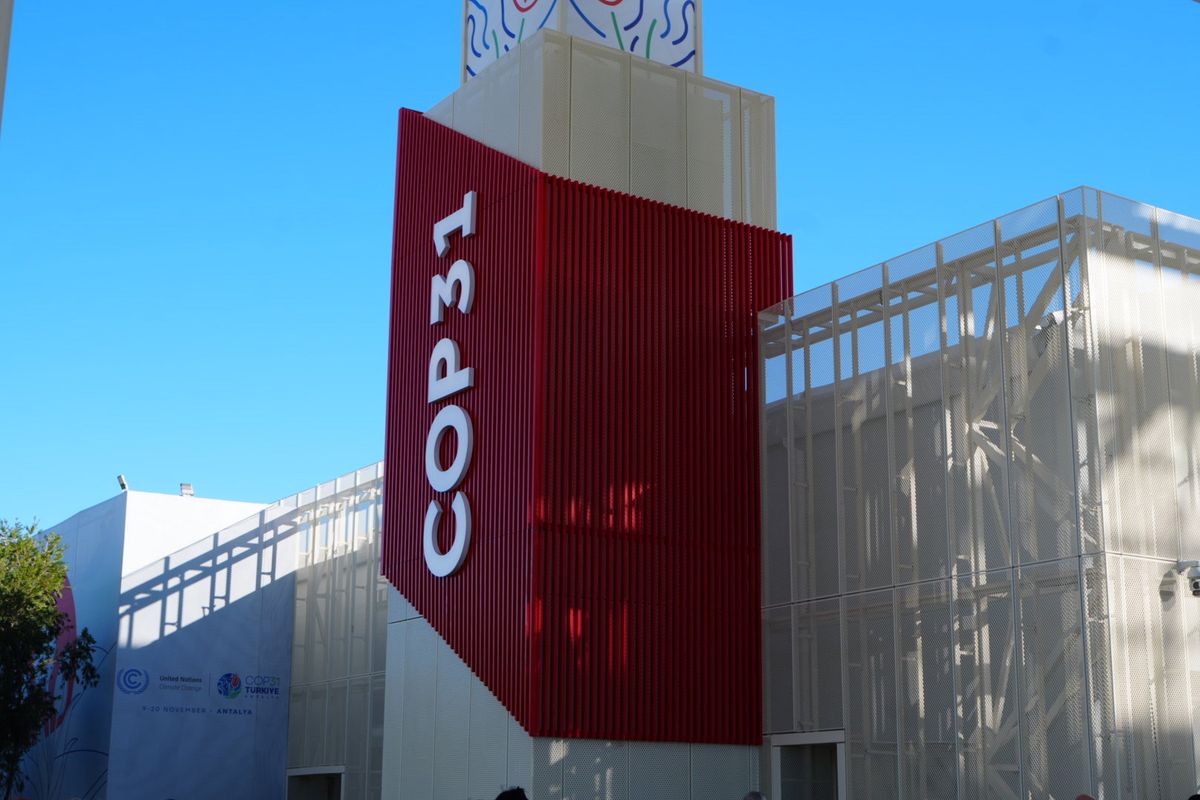
Two weeks ago – after a year of record-breaking extreme weather – climate leaders kicked off in Antalya to negotiate and agree on next steps to keep temperature rises within 1.5°C, mobilise climate finance, protect the ocean and electrify the world.
A sufficiently ambitious deal was never going to be easy, but few expected the summit to end with such a severe lack of consensus.
After the longest COP to date, countries could not agree on a cover text, and its final draft did not mention fossil fuels – the primary driver of climate change.
As the dust settles on a conference that will go down in climate diplomacy history, what did COP31 actually deliver?
How far can consensus take us?
At COP, every delegation must agree before major decisions are adopted. This has meant that previous Summits have produced ambitious targets, such as the Paris Agreement, but have struggled to catalyse action.
The accelerating climate crisis means we need implementation, and we need it fast. Unfortunately, COP31 demonstrated how a process open to obstruction and bottlenecking is ill-suited to delivering the scale and speed of change that is required.
Ireland's climate minister, Darragh O'Brien, described COP as having been "hijacked by some oil states" after a bloc of fossil fuel producers resisted language on transitioning away from fossil fuels and insisted on including references to carbon capture and storage – an unproven solution that would have locked in years of extraction – in the Summit’s final cover text.
For countries seeking a credible commitment to address the root cause of climate change, this was unpalatable. Similarly, weak language on finance also left developing countries questioning whether promises made to support their transition and adaptation efforts would ever materialise.
The underlying problem is that climate policy doesn't exist in isolation. Commitments made at COP have the potential to rewire entire economies. For oil-rich nations, agreeing to phase out fossil fuels is akin to leaving billions of dollars in the ground, even though continued dependence threatens their future.
This is the central challenge that limits the impact we can deliver via consensus: countries whose economies rely on fossil fuels have a seat at the table and can block language that threatens their interests.
Progress behind the scenes and beyond the summit
Despite no agreement on an overarching text, meaningful progress was made elsewhere. For example, the Adaptation Fund’s project pipeline has tripled to $2.4 billion, underscoring both growing demand for adaptation finance and the urgent need to scale up funding for climate-vulnerable countries. International support for the Tropical Forest Forever Facility (TFFF) also gained momentum at COP31, advancing efforts to provide long-term financial incentives for countries to protect their tropical forests.
These examples demonstrate that while many of the big-ticket items may not have been delivered, COP can still be a vehicle for change when countries find common ground.
A similar pattern emerged last year in Belém. Calls for a formal roadmap to transition away from fossil fuels failed to win consensus, but the Brazilian Presidency went on to advance a voluntary process for countries willing to move ahead.
That momentum carried into the first international conference on transitioning away from fossil fuels in Santa Marta earlier this year, co-hosted by Colombia and the Netherlands, and subsequently into Antalya, where several nations published fossil fuel transition roadmaps.
The emergence of parallel diplomatic processes such as Santa Marta demonstrates a growing appetite among countries to move beyond the constraints of consensus and accelerate the transition away from fossil fuels. This progress, pursued beyond COP’s plywood pavilions, is invaluable.
It may also hint at what reform could look like. Not every country needs to move at the same pace. Coalitions of the willing can set direction, show what works and encourage others to follow.
COP may not be ready to Electrify Now, but the world is
Electrification was at the top of the agenda at COP31, following the extraordinary work of the Electrify Now campaign, including Greenhouse clients the GRA, ITA and WBCSD.
Efforts centred on a pledge to raise electricity's share of final energy consumption to 35% by 2035, which could cut emissions significantly, erode structural demand for fossil fuels and avoid a substantial amount of future warming, even if the electricity used isn't all clean.
Although negotiations fell short, with electrification becoming a sticking point, the shift towards an electrified future is unstoppable. Eighty countries backed the ambition, showing that appetite for electrification extends well beyond the negotiating room.
Renewables are being deployed at enormous pace and scale. Electric vehicles, heat pumps, batteries and other clean technologies are increasingly competitive, offering lower emissions, greater energy independence and long-term growth.
This year's fossil fuel crisis in the Strait of Hormuz also reinforced a basic truth: dependence on imported energy = national insecurity. When international conflict constrains fuel supplies, governments cannot control the fallout. Households face higher bills, businesses face rising costs and whole economies stutter.
Electrification won't lose momentum because a COP agreement failed, but a formal pledge might have helped it to move faster.
The ocean won’t remain an afterthought
COP31 was billed as a chance to put the ocean at the heart of climate talks, as COP30 in Belém did for forests. While several mechanisms for advancing ocean-climate action were casualties of the decision rejection – including a multiyear plan to connect the Ocean and Climate Change Dialogues with the wider UNFCCC process - the ocean received unprecedented political recognition compared to previous years.
There were also major ocean-climate developments outside of the formal negotiations. The COP Presidency launched the Antalya Ocean and Seas Compact to accelerate ocean-based climate action through stronger partnerships and improved access to finance. Meanwhile, the Blue NDC Challenge expanded to 29 members, including the EU, while the launch of the Blue NDC Implementation Taskforce brought together 25 delivery partners to help countries turn ocean-related commitments in their national climate plans into action. Progress on maritime electrification and offshore wind also demonstrated the ocean's important role in accelerating the clean energy transition.
Ultimately, the adoption of a cover decision that failed to acknowledge the impact of fossil fuels would have been a detrimental result for ocean health. As Ambassador Peter Thomson, United Nations Secretary-General's Special Envoy for the Ocean put it: “We know that aggressively cutting fossil fuel and methane emissions are the best things we can do to safeguard the ocean's health. There is no investment more important than in transitioning away from burning fossil fuels to an equitably electrified world powered by renewable energy."
While there is temptation to focus on what could have been, the priority now is to build on the momentum generated in Antalya and turn it into concrete action, backed by the finance and political will needed to deliver meaningful ocean protection. This is particularly important with the upcoming COP1 for the Biodiversity Beyond National Jurisdiction Agreement (BBNJ), or High Seas Treaty, which is taking place in New York in January 2027.
Protecting the ocean is fundamental to climate mitigation, adaptation and resilience. We cannot let progress in Antalya go to waste.
Implementation requires finance
Money remains one of the biggest barriers to multilateral climate action. Wealthy countries offered no significant new collective funding commitments at COP31, while proposals to provide $120 billion annually for adaptation by 2035 were dropped. Even the existing pledge to triple adaptation finance remained without a clear baseline or delivery plan.
Likewise, previous COP finance commitments have a poor track record when it comes to implementation. The loss and damage fund agreed at COP27 has received just $600 million to date; and wealthy countries have cut bilateral climate assistance despite promising a major increase in climate finance at COP29.
Developing countries are increasingly being asked to decarbonise, adapt to destructive weather and protect ecosystems that benefit the whole planet, without the resources to do so.
It is undoubtedly difficult for developed countries to prioritise climate finance given current economic pressures. Successive economic shocks caused by fossil fuels have swallowed up billions that could have been better spent on financing mitigation and adaptation.
However, extreme weather impacts, disruption to food production, damage to infrastructure and rising insurance premiums will only intensify without investment today. Countries should adopt a longer-term view, asking not whether something is cost-efficient today, but how much they’ll lose by delaying further.
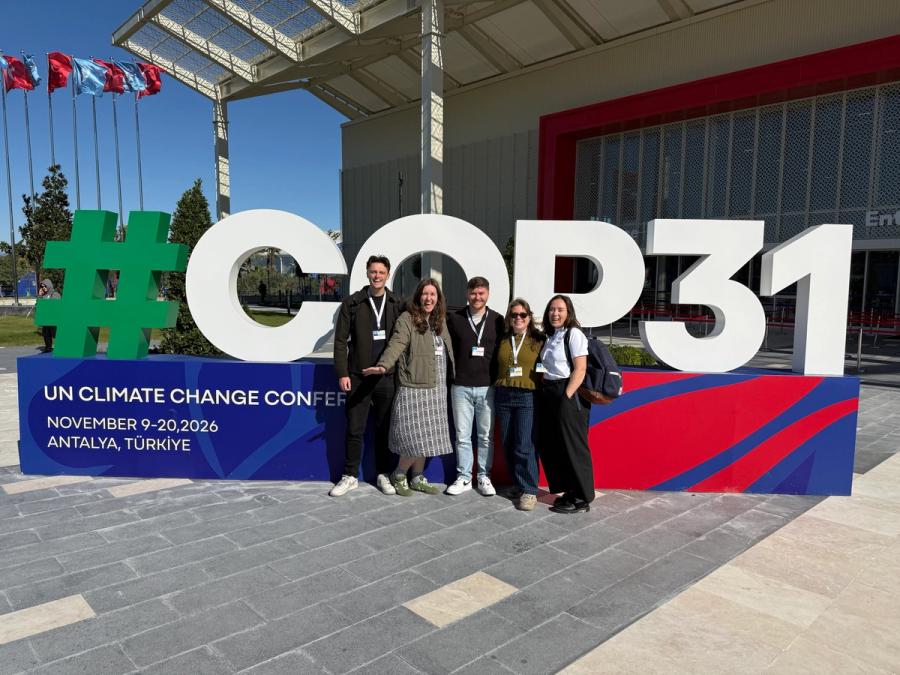
Greenhouse on the ground at COP31
Throughout COP31, Greenhouse was embedded in efforts to drive climate action across diverse sectors and action tracks spanning finance, food, nature and energy.
From coordinating communications for the high-level segment on forests featuring President Lula, to amplifying the voices of small island developing states through our work with AOSIS, our team helped put some of the most pressing climate issues on the global agenda.
We supported the Global Renewables Alliance and WBCSD in building momentum behind the 35x35 electrification pledge, the Green Climate Fund in championing climate finance, Together for the Ocean in driving ambition on marine protection, and Copernicus ECMWF in putting climate science at the heart of decision-making.
While the negotiations may have fallen short, the work of these organisations is a reminder that climate action extends far beyond the negotiating room. We're proud to help tell their stories and support the transition to a more sustainable and resilient world.