World Oceans Day: How communications drives ocean action
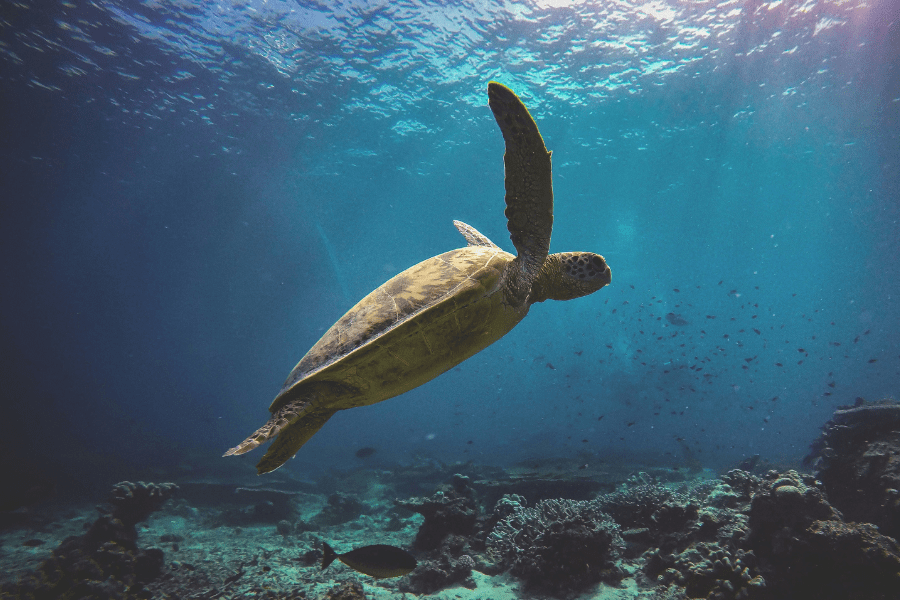
This World Oceans Day, we’re celebrating three campaigns that prove something we’ve always believed: the right communications don’t just tell the story, they change the outcome.
With the Our Ocean Conference in Kenya just days away, and the 2030 deadline for protecting 30% of the world’s oceans closing in, the pressure for action has never been greater. Political commitments, scientific breakthroughs and community-led conservation can only move at pace when backed by communications that cut through.
At Greenhouse, ocean protection is a key focus area and a sector in which we hold a lot of expertise. With a Greenhouse delegation heading to Our Ocean Conference in Nairobi next week to capture content, build relationships and drive international media coverage on behalf of our clients, we’ll be in the room where it happens.
To mark World Oceans Day, we’re sharing just three of the many ocean campaigns we’re proud of (and it’s not been easy to choose).
Building a movement: Together for the Ocean
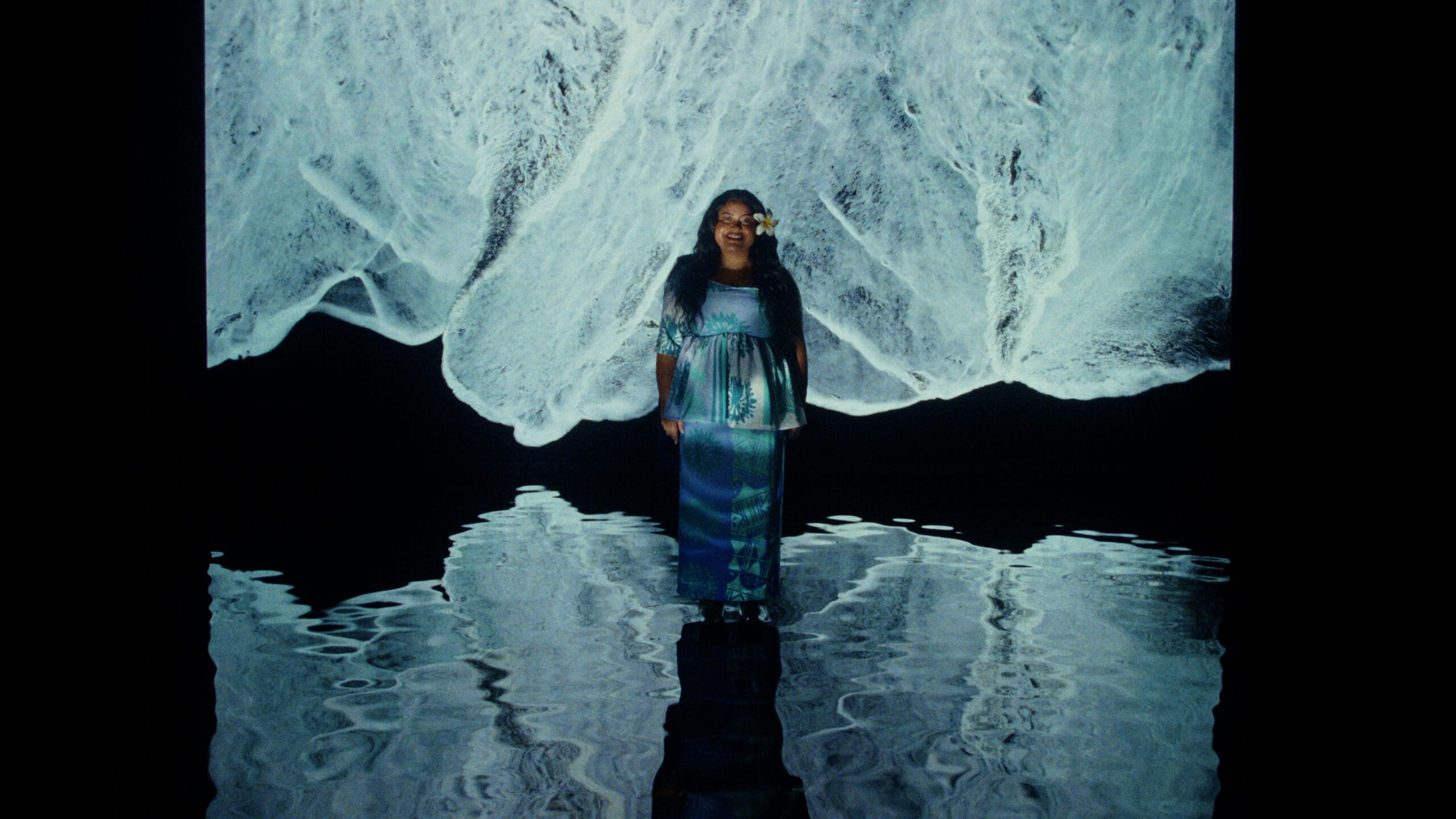
Above: Together for the Ocean 30×30 hero film
Together for the Ocean is Bloomberg Philanthropies’ bold initiative to hold governments accountable for their 30×30 ocean commitments.
This campaign unites leading conservation NGOs, scientists, Indigenous leaders, funders and advocates under one roof. A sector-leading LinkedIn community, high-profile media opportunities for key representatives, and a content strategy centred on frontline voices have all made the coalition’s accountability work possible. That’s where we came in.
In the lead-up to OOC11, Together for the Ocean has been platforming leadership from across Africa, engaging youth activists for the High Seas Treaty in landlocked Zambia, coastal rangers in Zanzibar and government leaders in Mozambique.
For too long, decisions on marine protection have been drawn up in boardrooms miles away from the habitats that are actually at risk. Effective ocean governance means local involvement and leadership, centring the voices who understand the complex issues at play and how best to equitably address them.
Communications is what gives their voices the reach they deserve. TFTO is proof that coalition power multiplies when it’s backed by smart strategy. Without it, even the boldest commitments risk staying in the room they were made in.
Making science news: Ocean Census
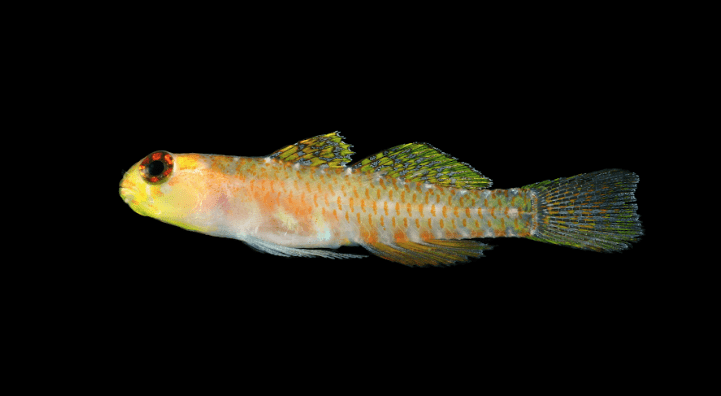
Above: Dwarfgoby. The Nippon Foundation – Nekton Ocean Census, Chris Goatley.
Science only drives change when people hear about it. Ocean Census is on a mission to accelerate the discovery of marine life and has a landmark story to tell.
Scientists connected to the initiative have already found 1,121 previously unknown species in the past year, fast-tracking discovery and marking a 54% jump in annual identification.
Discoveries were made from depths of up to 6,575m, including a new species of deep-sea ghost shark, a symbiotic bristle worm living within a ‘glass castle’, as well as corals, crabs, shrimps, sea urchins, and anemones.
At Greenhouse, we’re proud to have supported media outreach for the Ocean Census launch, securing placements for their scientists and spokespeople on agenda-setting news outlets, from BBC Radio 4’s Today Programme to CNN.
Knowledge is power when it comes to the ocean, which is why working alongside leaders in the marine science space is so critical this World Oceans Day.
Giving communities a voice: The Blue Belt Programme
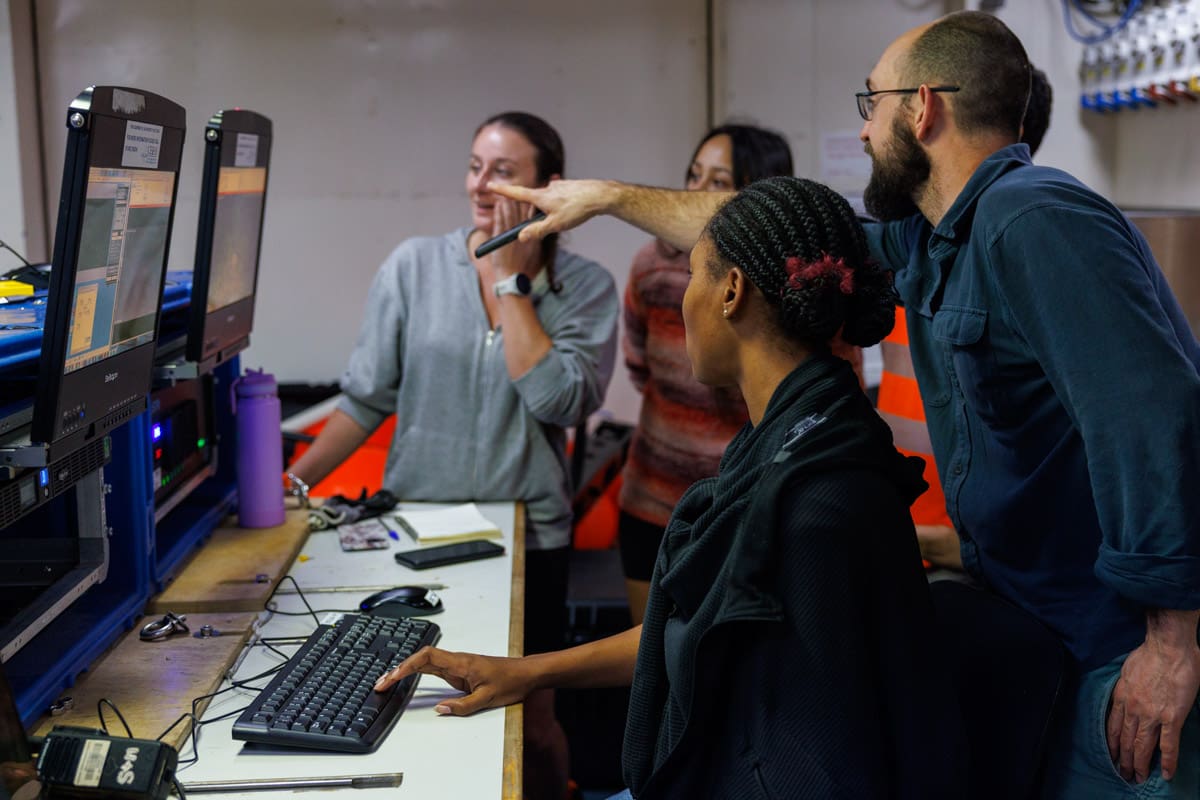
Above: Lawrence Eagling and Blue Belt Programme – BTR Anguilla
Ten years in, the Blue Belt Programme has become one of the most significant marine protection initiatives in the world, stewarding nearly 4 million km² of ocean across the UK’s Overseas Territories, an area just under the size of the EU.
Strongly reflected in this year’s World Oceans Day theme of “Strong Marine Protected Areas for Our Blue Planet”, the Blue Belt Programme works on the designation and management of MPAs and conducts major scientific research expeditions, having documented over 14,000 species in its latest one.
And this World Oceans Day marks a new milestone: Montserrat is joining the Blue Belt Programme, making it the fourth Caribbean UK Overseas Territory on board.
The communications work supporting the programme goes beyond awareness. The aim is to translate complex, technical policy into stories that engage communities, stakeholders and decision-makers. Work has been ongoing in Anguilla, the Turks and Caicos Islands and the Cayman Islands to support governments to safeguard vital marine biodiversity, improve equitable access to local resources, and develop inclusive, sustainable ocean economies.
Supporting the UK Government on this programme reflects Greenhouse’s commitment to helping translate ambitious ocean policies into stories that engage communities, stakeholders and decision-makers around the world.tion.
Three campaigns, very different objectives
Together, these three campaigns show just how varied and vital the work being done to protect our ocean really is.
Together for the Ocean is keeping governments honest, ensuring that pledges made in conference rooms translate into real protection on the water. The Ocean Census is expanding what we know about life beneath the surface, building the evidence base that makes the case for conservation impossible to ignore. The Blue Belt Programme supports the UK Overseas Territories with the protection and sustainable management of their marine environments.
From coalition strategy to media relations, from government partnerships to community storytelling, at Greenhouse we’re proud to pour our deep ocean sector expertise into every project we take on.
As the 11th Our Ocean Conference approaches and the 2030 deadline draws closer, the opportunity for action is real.
If you’re working in the ocean space, or if you’re heading out to Kenya, and want a communications partner who understands the sector as deeply as we do, get in touch.