Vision, not just targets: Five takeaways from Wild Summit UK 2026
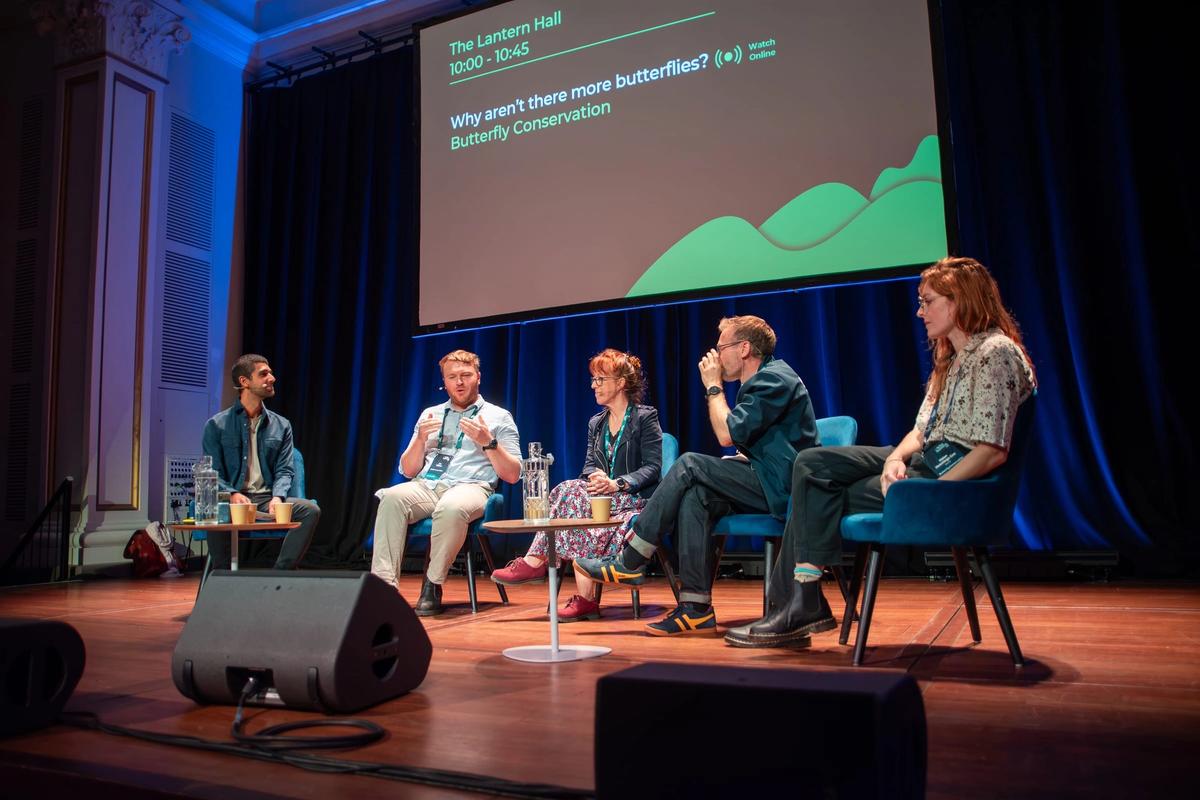
Wild Summit 2026 was built around nature reconnection and defined by urgency. It brought together some of the biggest voices in land and marine restoration alongside the businesses, campaigners and coalitions who make up the backbone of the UK’s environmental movement. All under one roof at Bristol Beacon.
The tone was set from the very first session. Green Party leader Zack Polanski opened the summit with a direct challenge to the Prime Minister to release the full, unredacted Joint Intelligence Committee report on ecosystem collapse, rather than continue “hiding the truth” from the public about the threat nature loss poses to UK security. He also announced the Green Party’s push for a Nature, Biodiversity and National Security Bill, signalling that nature recovery is a matter of national resilience.
Whilst the UK remains off track for its legally binding target to protect 30% of land and sea for nature by 2030, Wild Summit didn’t feel like a day of resignation. There was evidence, session after session, of groups, businesses and organisations working together and building coalitions to restore nature in the UK at scale.
Here are five key insights that we took away from the day.
1. We need a bold vision of what recovery looks like
30x30 is a target, but it isn’t a picture. What moves people is a vision of nature recovery – one that they can see, feel and hear – and get behind. Think wildflower meadows, rivers running clear, hedgerows full of life and birdsong. That’s as true for landscape-scale visions of flourishing national parks as it is for the ocean, where the case for marine protected areas needs the same visual, emotional pull.
This vision will give us hope, but an “evidence-based hope” as outlined by Dr Gemma Harper, Chief Executive of JNCC, as opposed to the “scented candle” kind. This data-driven hope can help better leadership. Vision paints the picture, and evidence is what makes people believe it.
This is where communications come in. Even the best vision goes nowhere without communication to carry it. “People love nature. People also love KFC,” as Hilary McGrady, CEO of National Trust, suggested to the Nature Friendly Farming panel led by Helen Browning of the Soil Association. People’s affection for wildlife doesn’t automatically translate into support for the policies that protect it, or the behaviours that would help restore it. Building the bridge between people’s love of nature and the action, policy support or behaviour change needed to protect it came up repeatedly. That bridge-building is the job of communicators.
2. Good solutions will be imperfect, and that might feel uncomfortable
Multifunctional land use solutions are where the sector sees the most buy-in, as Mary-Ann Ochota, Chair of the Protected Landscapes Partnership and President of CPRE, noted in a later session. That’s difficult. It means no interest gets their version of perfect and all must compromise.
3. Health and wellbeing are becoming the central case for nature recovery
Nature-friendly farming, National Park Cities and place-based transitions are all landing better when framed around human health and wellbeing outcomes. Across several sessions, nature-based solutions were discussed less as an environmental nice-to-have and more as a form of public health intervention in their own right. A health and wellbeing framing widens the audience well beyond people who already care about nature and may be the answer for food system transformation.
4. The sector is leaning into big, cross-silo campaigns
Examples like Big Chalk and the Campaign for National Parks show what happens when organisations that usually work in silos come together under one campaign umbrella and are forced to find shared language. These joined-up efforts are only going to matter more as the scale of the challenge grows.
5. Nature loss is being framed as a national security and economic issue
The intelligence report at the centre of Polanski’s challenge frames ecosystem collapse, including the risk of an Amazon “tipping point”, in the language of national security: food shortages, price rises, mass migration, political destabilisation, even armed conflict. Alongside this, a coalition of green groups wrote to the Prime Minister yesterday warning that national security, public health and economic growth are all at risk without urgent action to restore nature.
For all the frustration in the room, Wild Summit didn’t feel like a day of people waiting for permission. It felt like a sector that knows what it’s asking for, has the evidence to back it, and is increasingly finding the shared language to ask for it together.
If you’re working to protect and restore nature and need communications support, get in touch with our team.