Driving maritime decarbonisation at MEPC 83
Energy and Clean Tech Infrastructure Nature PolicyGlobal Maritime Forum
Sector and focus area
Maritime, shipping, climate policy, industrial decarbonisation
Context and challenge
International shipping is one of the most emissions-intensive sectors and has historically been slow to decarbonise. Negotiations at the International Maritime Organization are complex, highly technical and politically sensitive, with outcomes that have significant implications for global trade, climate targets and equity.
MEPC 83 represented a critical moment. It included negotiations on the Net-Zero Framework, the first sector-wide carbon levy for shipping. The crowded media and policy environment made it difficult for journalists and stakeholders to understand what was at stake, how proposals compared, and what different outcomes would mean in practice.
The challenge was to influence understanding and narrative at a decisive moment, while positioning the Global Maritime Forum as a credible, trusted authority throughout the negotiation process.
Approach and strategy
Greenhouse supported the Global Maritime Forum with a structured, three-phase communications strategy designed to cut through complexity and pace.
The approach combined preparation, real-time insight and post-event analysis to ensure consistent, accurate and timely messaging before, during and after MEPC 83.
Key elements of the strategy included:
- • Delivering a three-phase campaign covering pre-event media education, real-time negotiation analysis and post-event insights
- • Briefing top-tier journalists on the stakes and significance of the Net-Zero Framework vote
- • Providing media statements, briefings and real-time analysis as negotiations unfolded
- • Hosting an in-person post-event media masterclass to contextualise outcomes and sustain high-quality engagement
This approach was designed to support informed reporting while maintaining credibility across a fast-moving negotiation process.
Work delivered
Greenhouse delivered integrated media and communications support across the full lifecycle of MEPC 83.
This included developing clear explanatory materials ahead of the meeting, supporting journalists with briefings and context, and producing timely analysis during negotiations. Media engagement was sustained beyond the formal close of MEPC 83 through an in-person masterclass, enabling deeper understanding of outcomes and their implications.
The work balanced speed with accuracy, ensuring messaging remained clear, credible and grounded in the realities of the negotiation process.
Outcomes and impact
The campaign positioned the Global Maritime Forum at the centre of global maritime decarbonisation discussions during MEPC 83.
It significantly amplified understanding of the Net-Zero Framework among journalists, policymakers and stakeholders, reaching an estimated global audience of 4.74 billion people.
Media impact included:
Media
100+pieces of global media coverage
Reach
17.2Mestimated views
Coverage
8top-tier media interviews
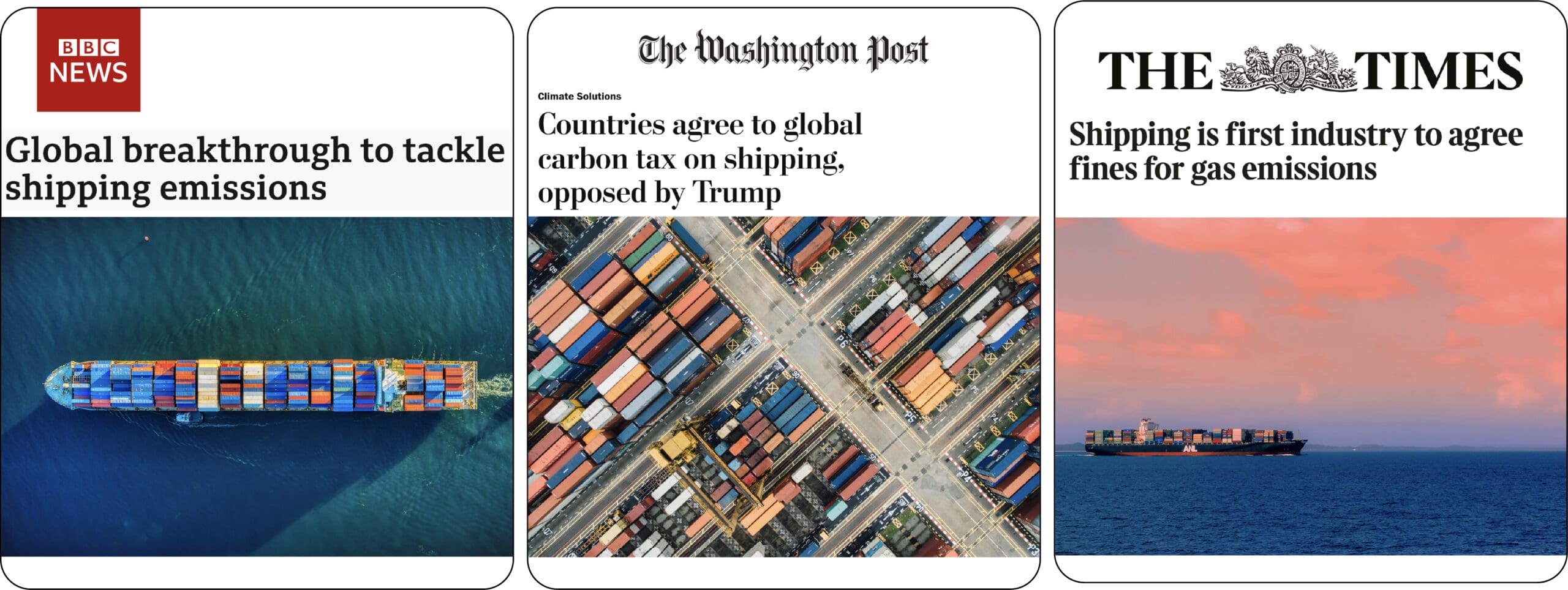
Coverage appeared across leading international outlets, including BBC, The Washington Post, Reuters and The Times.
The work also supported progress towards a more equitable and ambitious policy outcome by delivering timely, credible and clear messaging throughout the negotiation process.
Why this work matters
Maritime decarbonisation depends not only on technical policy design but on informed public and political understanding of complex negotiations.
By improving the quality and clarity of media coverage at a pivotal moment, this work helped shape how the Net-Zero Framework was understood globally and reinforced the role of trusted, evidence-led communications in advancing climate policy in hard-to-abate sectors.